
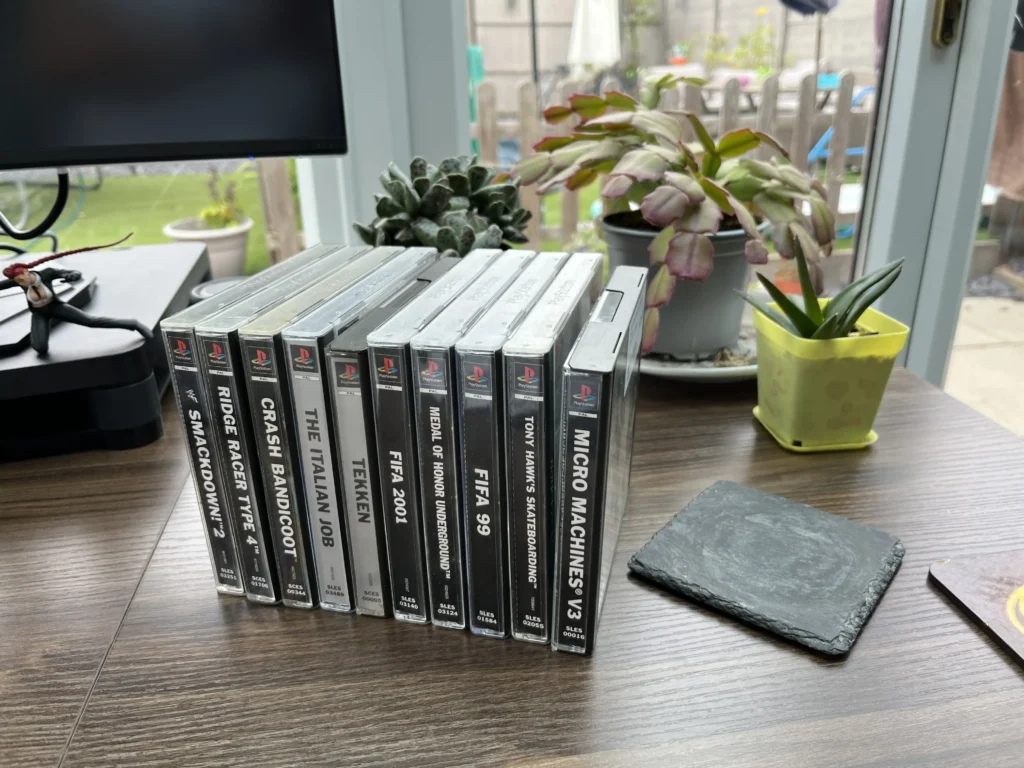
The Hidden Cost of Game Pass: Why I Quit for Physical Ownership. When I stepped away from my monthly digital subscriptions, it wasn’t because the service was a bad deal; it was because the weight of Game Pass subscription fatigue had quietly turned my relaxation windows into a chore. On paper, the mathematical argument for the modern gaming subscription is practically bulletproof. For what was seemingly a reasonably fair price a month, you are handed the keys to a rotating vault containing hundreds of high-profile titles, day-one releases, and indie gems. But after years of watching these costs quietly tick away in the background alongside services like Disney, Netflix, Boosteroid etc. I had to confront a frustrating pattern in my own habits: I had access to everything, but I was playing less and owning nothing.
The breaking point wasn’t a sudden drop in library quality, nor was it an institutional corporate policy change. It was the realisation that abundance, when left unchecked, alters our psychological connection to media. Subscriptions present an illusion of frictionless freedom, but they introduce a subtle, unlisted tax on our cognitive load. When you don’t directly choose, invest in, or own the thing you are playing, the entire hobby begins to feel like permanent rental. And that’s not even considering the choice paralysis issues…
The Grazing Trap of the Infinite Catalogue
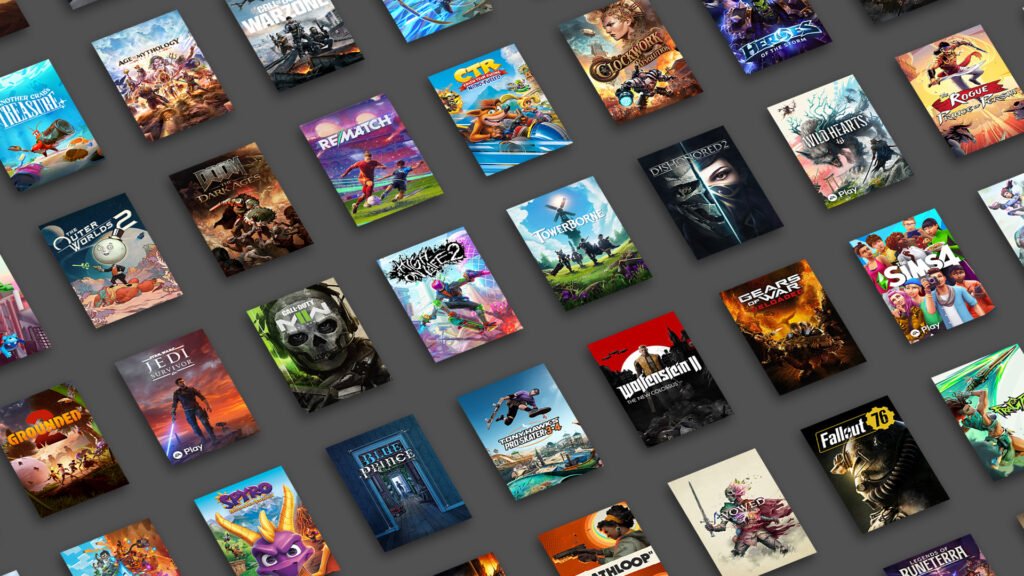
We live in a culture designed to keep us grazing across endless options. These systems are designed to encourage attention retention and your continued attention funds their income, marketing and sponsorship revenues. You finish a long day of professional or family responsibilities, you sit down in front of the television with your controller, and you are immediately greeted by a massive wall of digital app tiles. There are “Leaving Soon” lists counting down the days you have left with a masterpiece, “Recently Added” highlights vying for your immediate attention, and algorithmic recommendation tickers tracking your habits.
Instead of actually playing, you browse. You scroll past fifty games that look interesting, hit by that choice paralysis and the “Netflix effect,” until your precious window of free time has vanished completely. Because everything is instantly available with a single button press, the stakes for each individual game become incredibly low. If a title doesn’t grip you within the first ninety seconds, it is far too easy to close it and bounce to the next file. There’s no commitment. No commitment to get past the intentional slow burner, no commitment to figure out new mechanics, no commitment to overcome that skill hurdle. It’s just not the same as when you were younger, dare I say during the retro gaming years. And this isn’t just me looking through rose tinted glasses, if that was your game for the next 3, 6 or even 12 months (thank you Santa 🙂 ) you had to commit. You had to put in the time to overcome the hurdles. And let’s face it if it’s all you there was no tower choice!
This infinite optionality turns discovery into a restless optimisation task. I found myself downloading titles like Jusant—a game I genuinely loved—but feeling a strange background pressure to rush through it simply because it lived on a service with a rotating clock. When the platform itself dictates the timeline of your consumption, your personal library starts behaving like an administrative to-do list or an uncomfortably mounting mountain of debt of tasks rather than wind down hobby time.
The Six-Quid Reality Check
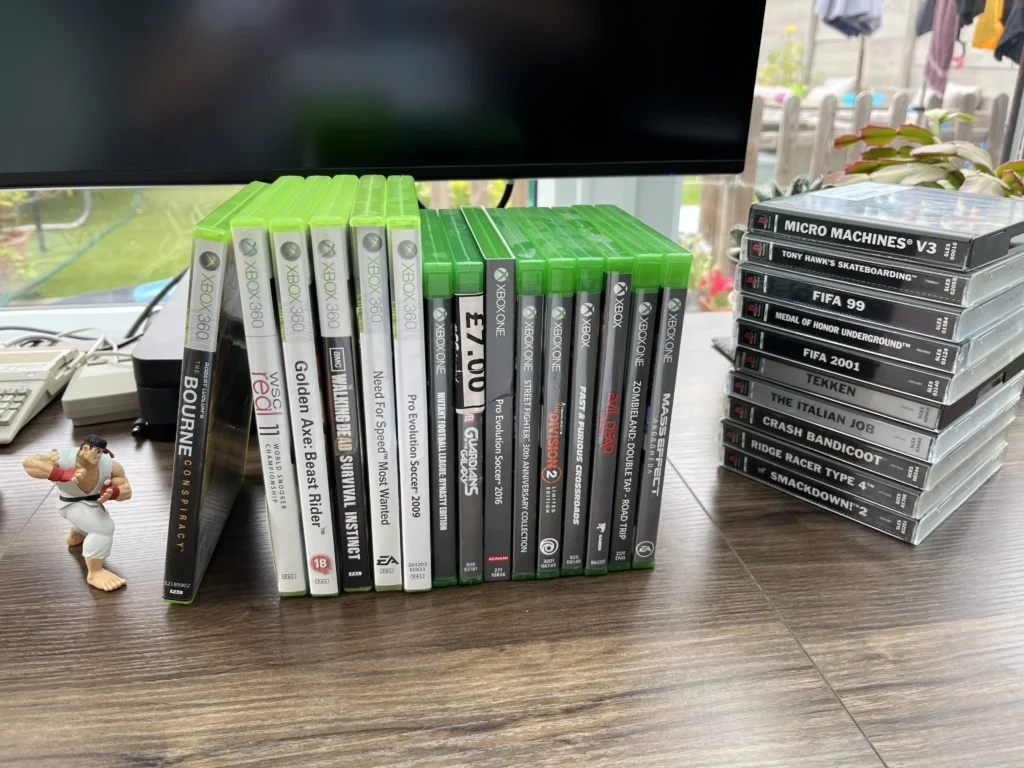
The moment that exposed this entire pattern came when I wanted to play Guardians of the Galaxy which I’d had on my ‘get to it soon’ list. But when I came to actually jump into it I’d already missed the game pass availability window. Then close to this I noticed physical copy sitting in a local CEX shop window for exactly six quid. Not sixty but 6. This wasn’t a brand new blockbuster at this point and was clearly an easy pick-up price.
That simple transaction shattered the logic of the subscription treadmill for me. It reminded me how I often used to collect for the Xbox 360, picking up one of those ‘get to it soon’ games once the the buzz raised and the price lowered considerably. By purchasing that disc, I wasn’t just acquiring data; I was buying permanence and taking control, playing and collecting with intention. It sat on my curated display shelf under the TV, free from corporate licensing disputes, server migration issues, or rotating availability dates. It was ready for whenever I fancied it with absolute zero mental baggage attached.
By cancelling Game Pass Ultimate and stepping back from Boosteroid entirely, I took that exact subscription capital and redirected it into tangible, localised investments: a sensible mid-level PC hardware upgrade (CPU and motherboard) and kicking back into my physical library. The performance increase from the PC hardware upgrade natively resolved what I was relying on cloud servers to handle, so that was one subscription down. And the physical library helped remove that nagging pressure to work through the task list of game pass.
The immediate result of this shift wasn’t a sudden visual transformation of my room; it was a profound change in my mood. The low-level background guilt telling me I should be playing certain systems or maximising a monthly premium vanished instantly. If I wanted to spend an evening with a classic Xbox 360 game, a cosy Switch port, or an older PC title, I could do so without feeling like I was letting an active subscription fee go to waste.
Curation Restores Calm to the Hobby
Stepping away from subscription abundance forces you back to the structural discipline of curation. In my home build, my ‘bear to the tv’ allowance shelf functions as a physical menu that protects my time. It stops me from getting lost in the endless digital noise. Because I have chosen those physical boxes deliberately, I commit to them. The physical ritual of choosing a game, opening the case, and inserting the media creates a silent psychological anchor. My next thoughts around this midway storage area is to consider breaking the choice down a step further, because even 30 odd games down from the hundreds in my whole collection, or thousands on subscription services can still be a little overwhelming. So next up is to consider a more gentle playlist shelf covering the latest 5-10 games I want to currently be focusing on or dipping into.
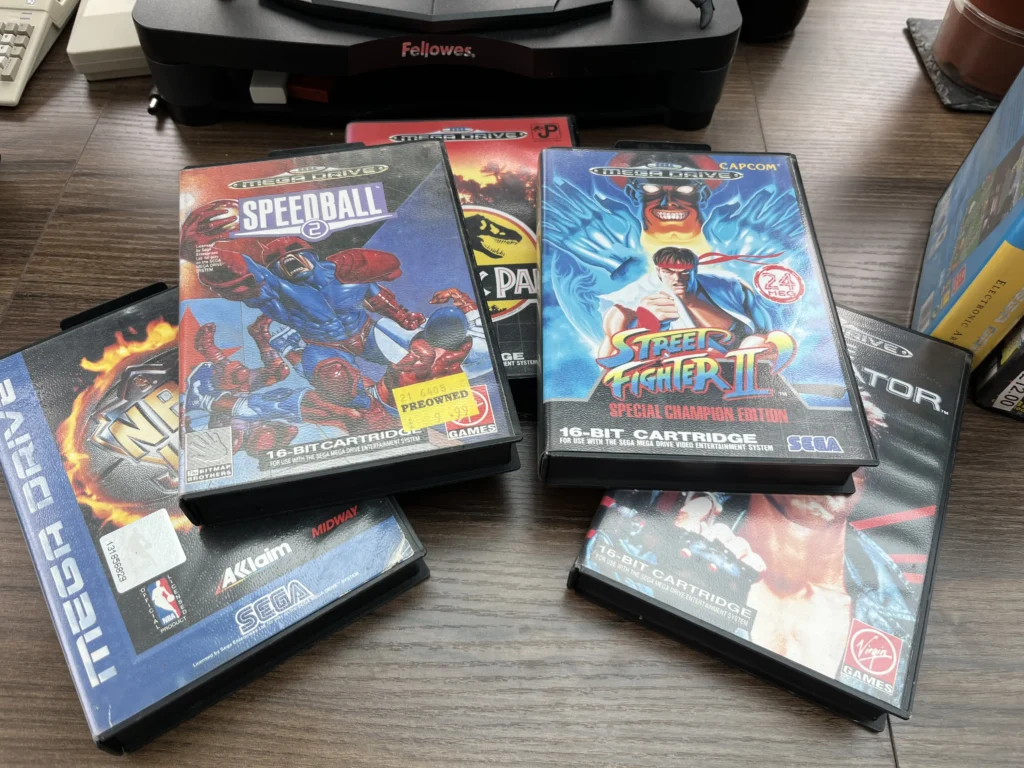
Subscriptions are fantastic tools for effortless discovery, but they are fundamentally unsuited for long-term attachment. When you pay permanently just to maintain basic access, you own absolutely nothing when the payment cycle ends. By choosing true ownership and deliberate containment, we trade an overwhelming landscape of rented possibilities for the simple, grounded clarity of a personal library that is genuinely ours.
So stay real, stay you and keep gaming.
A few more from Retro Tech Tonic
- Physical Media Still Matters, But Not Just Because of Nostalgia
Physical media still matters for control and permanence. Discover why owning your games beats permanent rental and digital license dependencies. - Stepping Back From Game Pass: Reclaiming Intentional Gaming
Stepping back from Game Pass wasn’t a dramatic statement — it was me reclaiming intentional play, and dropping the pressure to maximise a subscription. - Backlog as a Library: Why I Stopped Treating Games Like Tasks
The same mindset, just from the other side: less “clearing”, more choosing, and a healthier relationship with what you already own. - Why Do We Game? The Honest Reasons I Keep Coming Back – A reflective look at joy, immersion, nostalgia and self-reward — and why gaming still matters in everyday life.
- Jusant Review
A proper example of the kind of discovery that does justify subscriptions sometimes — quiet, focused, and the sort of game you remember after the credits. - Retroid Pocket 6 vs Pocket 5: Why I’m Not Upgrading Just Yet
Same approach, different topic: enjoying what I’ve already got instead of treating upgrades like the default setting. - The best way to play PS2 games in 2026? A Journey into PS2 Fat Mods
The practical side of the “library” idea — building a setup that makes it easier to actually play your collection, not just hoard it.
Further Reading away from Retro Tech Tonic
For those interested in the services and titles mentioned, here are the official resources:
- To understand the scope of the subscription service discussed, you can view the official Xbox Game Pass details.
- For historical data and details on titles like Marvel’s Guardians of the Galaxy, visit MobyGames, a reliable database for game preservation and metadata.

About the Author
I am Danny McGough, the founder and editor of Retro Tech Tonic.
For my day job, I work in higher education as an Assistant Professor and Course Director, spending my time designing and managing complex academic structures and modules or exploring into any research that interests me . My latest specialisms are around Building Information Modelling, Construction Innovation and Artificial Intelligence.
Retro Tech Tonic is where I step away from that institutional rigidity. It is my dedicated space to pick up a soldering iron, argue the architectural value of physical game media, and push back against the frictionless convenience of modern tech. I believe technology should serve as an intentional, human-controlled tool, and I write to figure out exactly where those boundaries lie.