
Thoughtful mini-essays on games, tech, learning, and the odd life tangent I can’t leave alone.
Game Pass Subscription Fatigue Made Me Rethink Ownership
The Hidden Cost of Game Pass: Why I Quit for Physical Ownership. When I stepped away from my monthly digital subscriptions, it wasn’t because the service was a bad deal; it was because the weight of Game Pass subscription fatigue had quietly turned my relaxation windows into a chore. On paper, the mathematical argument for the modern gaming subscription is practically bulletproof. For what was seemingly a reasonably fair price a month, you are handed the keys to a rotating vault containing hundreds of high-profile titles, day-one releases, and indie gems. But after years of watching these costs quietly tick…
Physical Media Still Matters, But Not Just Because of Nostalgia
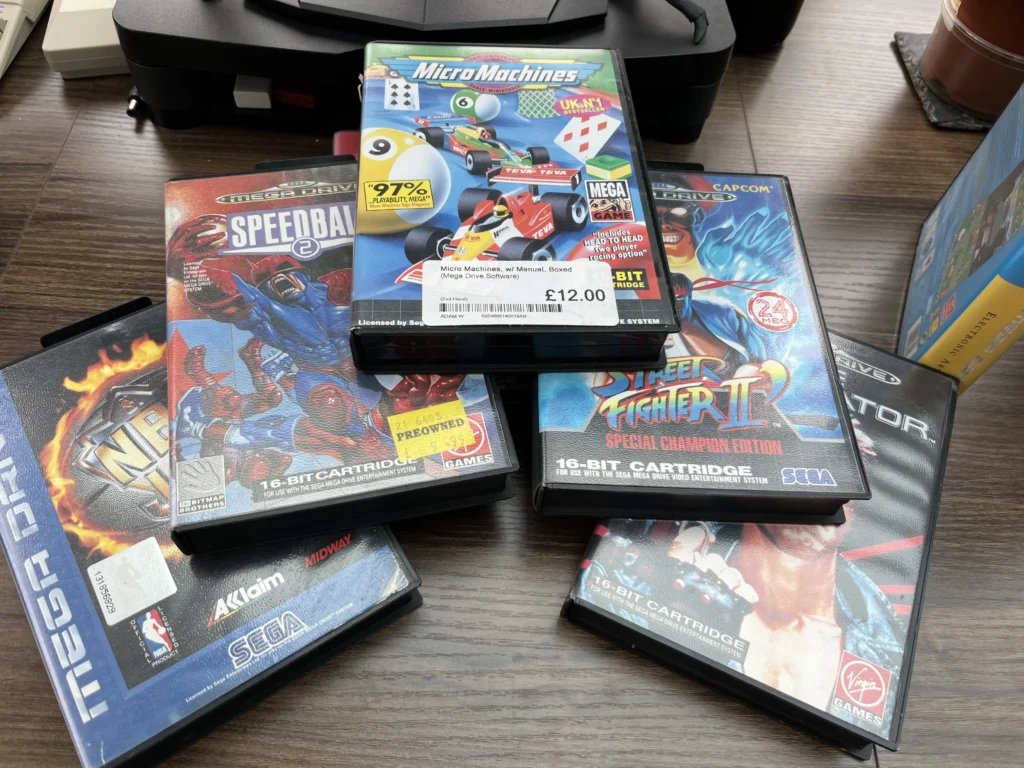
When I saw the news about PlayStation stepping further away from physical discs, I did not really feel shocked; it felt more like something I had been circling around for years had finally become impossible to ignore, proving that physical media still matters. I’m certainly not the first to have these thoughts and won’t be the last. Physical media is definitely a rebellious buzzword at the moment. It’s easy to look at a shelf full of plastic cases and write the whole thing off as a sentimental attachment to the past. We live in a culture that treats convenience as…
AI: The Quiet Replacement (Part 2 of 2)
The AI quiet replacement is already happening. The frightening version of AI is dramatic: a takeover, a moment, a line crossed. The realistic version is quieter. It arrives as convenience. And by the time it feels optional, it isn’t. If you’ve not read Part 1 yet, start there: the off-switch fantasy, the arms race, and the private/public split that frames everything that follows. Read Part 1: AI: The Off-Switch Fantasy (Part 1 of 2) Quiet replacement doesn’t feel like a takeover The dramatic AI story is obvious. It’s loud. It’s a leap. It’s a moment. The realistic story is slower —…
AI: The Off‑Switch Fantasy (Part 1 of 2)
This is Part 1 of a two-part piece. Part 2 picks up from the “quiet replacement” and brings it down to everyday life, security, and the questions that don’t go away. The AI off-switch fantasy is comforting, but I don’t think it survives contact with reality. This isn’t a guide, and it isn’t a doom speech bandwagon. It’s a set of warning shots from some of the world’s leading experts on AI, then a straight conversation about what we’re actually building. Geoffrey Hinton: “The idea that you could just turn it off won’t work.” Yoshua Bengio: “People demanding that AIs…

Why Do We Game? The Honest Reasons I Keep Coming Back
Why do we game? I’ve been thinking about it properly lately, and the answer isn’t one neat thing — it’s a mix of reasons that change with life. Sometimes it’s obvious. Sometimes it’s not. And if you’re anything like me, the reason you pick up a controller on a Tuesday night isn’t always the same reason you’ll sink hours into something on a quiet weekend. So why do we game? So why do we game? Sometimes it’s simple joy. Other times it’s nostalgia. Or maybe it’s stimulation or relaxation. It can also be self‑reward, habit, immersion, completionism, or simply a…
AI and Gaming Future: when games start making themselves
The AI and gaming future isn’t just about smarter NPCs — it’s about who gets to make games, how we play them, and what we value. I’ve been thinking about AI an immense amount lately, and I’ve been trying to get beyond the headlines. It’s already baked into so much of our lives: work tools, creative stuff, search systems, AI summary bots, even the little day-to-day tasks you used to do without thinking. If it’s going to radically shape the next decade, ignoring it would be a weird kind of denial. I’m also genuinely interested in it. The philosophical side…
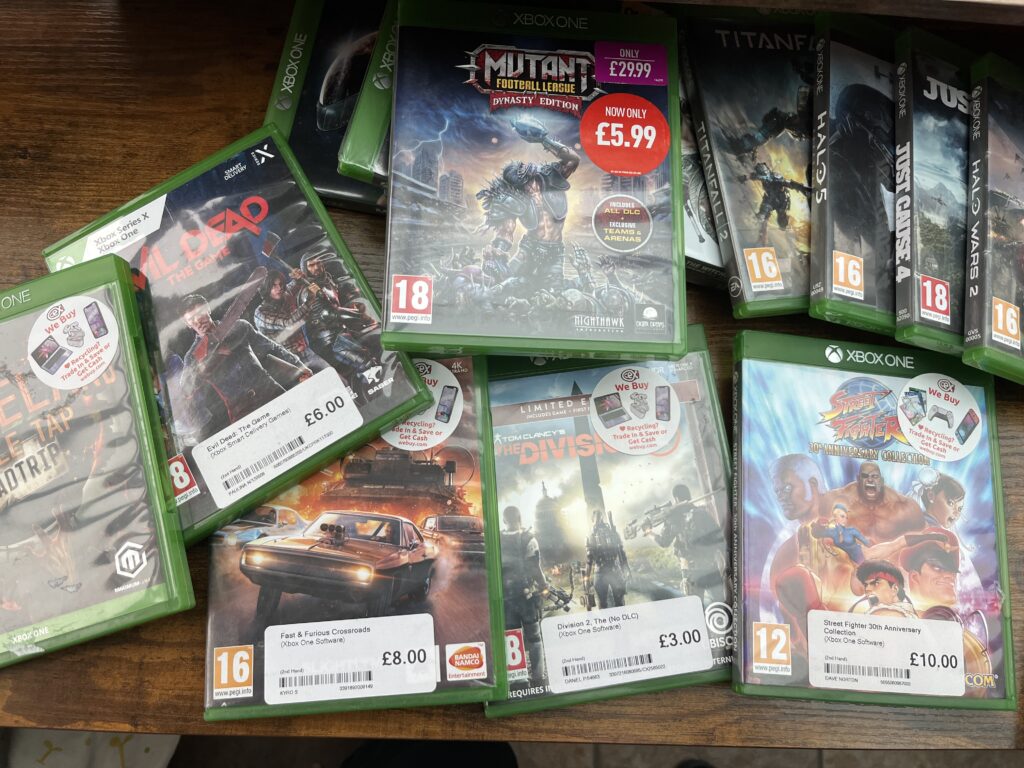
Stepping Back From Game Pass: Reclaiming Intentional Gaming
Stepping back from Game Pass wasn’t a dramatic statement — it was me reclaiming intentional play, and dropping the pressure to maximise a subscription. The breaking point wasn’t one single feature or one rage moment. It was the slow creep. The way the costs stacked. The way the subscription became something I “should” be using, rather than something that supported how I actually like to play. When the costs start stacking And then there was the absurd contrast that made it impossible to ignore. A game I fancied playing — Guardians of the Galaxy — was about £6 used on…
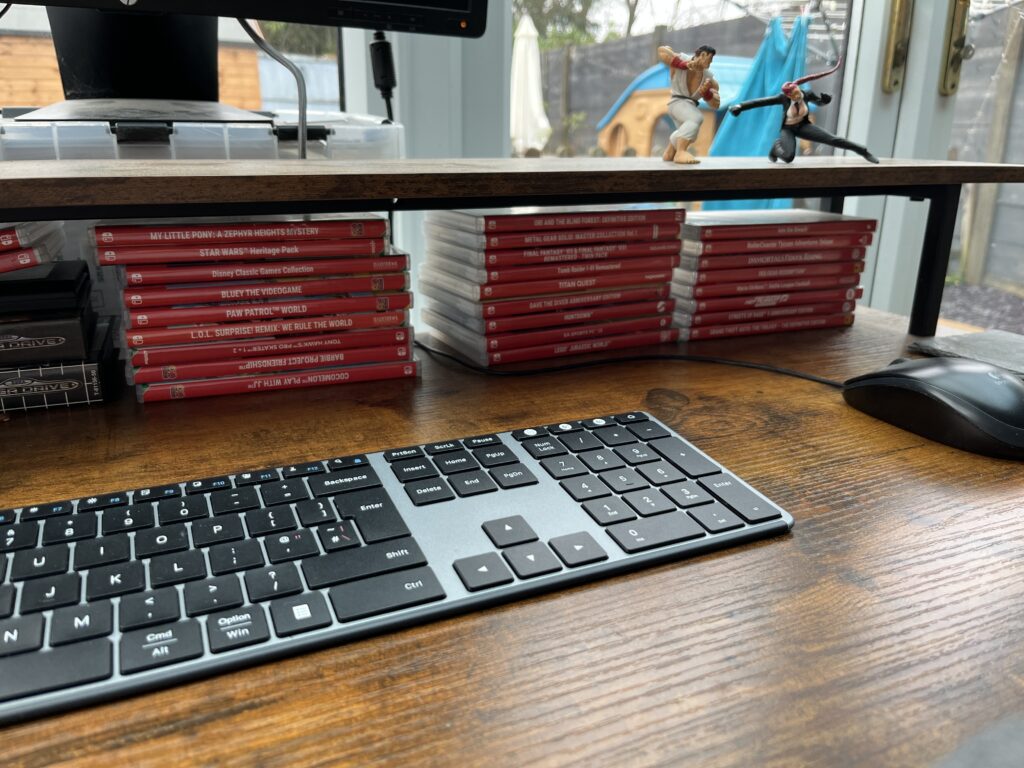
Backlog as a Library: Not a Debt, Not a To-Do List
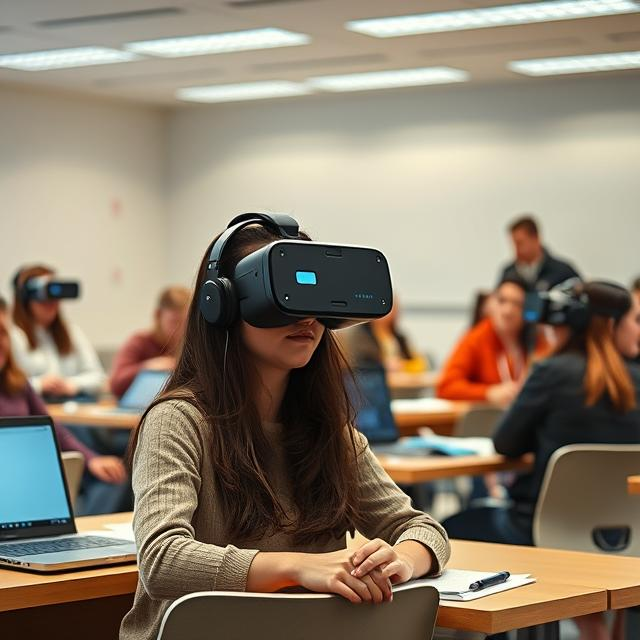
AI Education: Reshaping the Future of Learning
It is 11:30 PM on a Wednesday, and I am staring at the twenty-fourth reflective essay of the night for my module. The grammar is flawless. The paragraph structure is immaculate. The actual human insight? Completely, utterly lost. No real connection with the student voice. And no real sign of session engagement. This is the new reality of higher education. Many people don’t actually realise this but Artificial intelligence has technically been part of the educational ecosystem for years, running spellchecks, driving search algorithms, support analysis and quietly flagging ‘at-risk’ students in the background through tools such as Turnitin. But…
