
The Rabbit Hole

why do we game Man sitting in a dark room playing video games, surrounded by soft abstract light shapes blending into the space to represent immersion and focus.

Why Do We Game? The Honest Reasons I Keep Coming Back 

Why do we game? I’ve been thinking about it properly lately, and the answer isn’t one neat thing — it’s a mix of reasons that change with life.  Sometimes it’s obvious. Sometimes it’s not. And if you’re anything like me, the reason you pick up a controller on a Tuesday night isn’t always the same

Why Do We Game? The Honest Reasons I Keep Coming Back  Read More »

Pile of used Xbox One game cases with price stickers, including The Division 2, Evil Dead: The Game and Street Fighter 30th Anniversary Collection.

Stepping Back From Game Pass: Reclaiming Intentional Gaming

Stepping back from Game Pass wasn’t a dramatic statement — it was me reclaiming intentional play, and dropping the pressure to maximise a subscription.  The breaking point wasn’t one single feature or one rage moment. It was the slow creep. The way the costs stacked. The way the subscription became something I “should” be using,

Stepping Back From Game Pass: Reclaiming Intentional Gaming Read More »

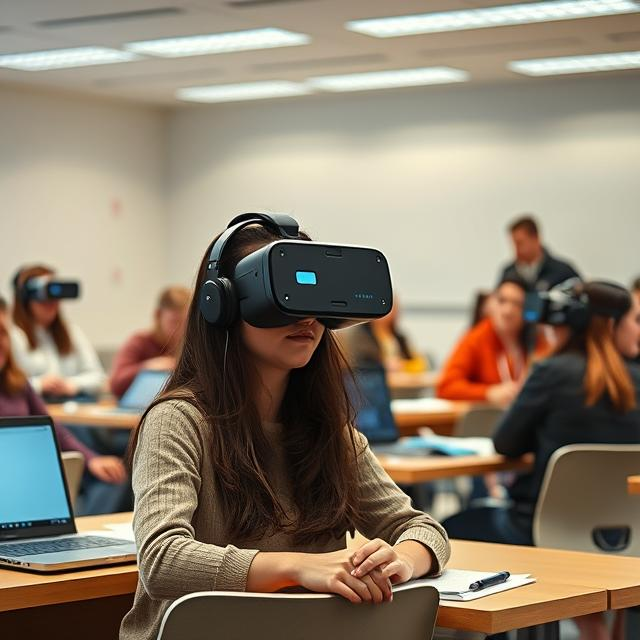
Student using VR in class

How AI is reshaping education (and what we do about it)

AI has been part of education for longer than most people realise — just usually in the background. Search, spellcheck, recommendation systems, even the way learning platforms flag “at risk” students… it’s all been nudging decisions for years. What’s changed recently is that generative AI has pushed itself right to the front. Suddenly, tools like

How AI is reshaping education (and what we do about it) Read More »

A modern office environment with diverse professionals using AI-powered digital tools. A holographic AI interface is displayed on a desk, showing project 2

Transformative AI in the Construction Industry: How Roles Are Shifting, Where the Value Really Sits, and What Comes Next

AI is changing construction through smarter scheduling, automated progress tracking, and faster design iteration — but the biggest shift is how professionals validate, govern, and apply outputs. This article explores current use cases, limitations, emerging skills, and a realistic 5–10 year outlook.

Transformative AI in the Construction Industry: How Roles Are Shifting, Where the Value Really Sits, and What Comes Next Read More »